




Fostering Compassion
Sensory Disability Awareness
By Kristi Antley
Imagine walking into a restaurant where every seat is taken. Music blares as diners engage in loud conversations, blinding light beams pierce every corner of the room, employees frantically run around bellowing orders, and a strong, pungent scent of roasting meat emanates from the kitchen. Many people accept this atmosphere as ordinary while enjoying their meals and even hanging around for dessert. For those with sensory sensitivity issues, however, this scene can be quite overwhelming, potentially leading to a distressing and even dangerous situation. Depending on the severity and type of sensitivity disability, the person may have trouble communicating, seeing, hearing, or moving in such a setting.
For everyone, sensory processing is a neurological function that occurs as the brain filters, absorbs, calculates, and correlates immediate surroundings. However, for some, an ordinary environment or event (think about swimming, attending a ball game or fireworks display, riding a bike, or viewing a movie in a theater) may be experienced in a more intense or muted manner. More often than not, other senses (sight, hearing, taste, smell, and/ or touch) can become heightened when one malfunctions, leading to a deeper appreciation of music, spatial awareness, nature, food, navigation skills, or dance. Whether positive or negative, triggered emotions enhance memory retention, creating an impact that seals the moment in one’s mind forever.
Consider the scent of a particular flower, cologne, or dish or a specific selection of music within an advertisement that instantly conjures a vivid, warm, and sentimental memory. Now, imagine replacing that pleasant, comfortable memory with a feeling of immediate, intense panic, anxiety, and fear—and you might just begin to understand what sensory overload feels like, but still on a much lower level than that of a person with a sensory processing disorder. Intense sensory sensitivity, heightened or muted, can be temporary, last a few years, or become permanent and infiltrate an entire lifespan. A student with a sensory processing disorder may find socialization in a bright, loud, crowded classroom overwhelming, while an elderly adult with dementia may be sensitive to the sounds, lights, and visions of a television program or the random background noise of a washing machine or vacuum. I have personally witnessed the struggles of my eight-yearold grandson, who has special needs, when he is in such a scenario, and it can quickly become an intimidating, painful, and traumatic experience if one does not know how to avoid or deescalate a triggering situation.
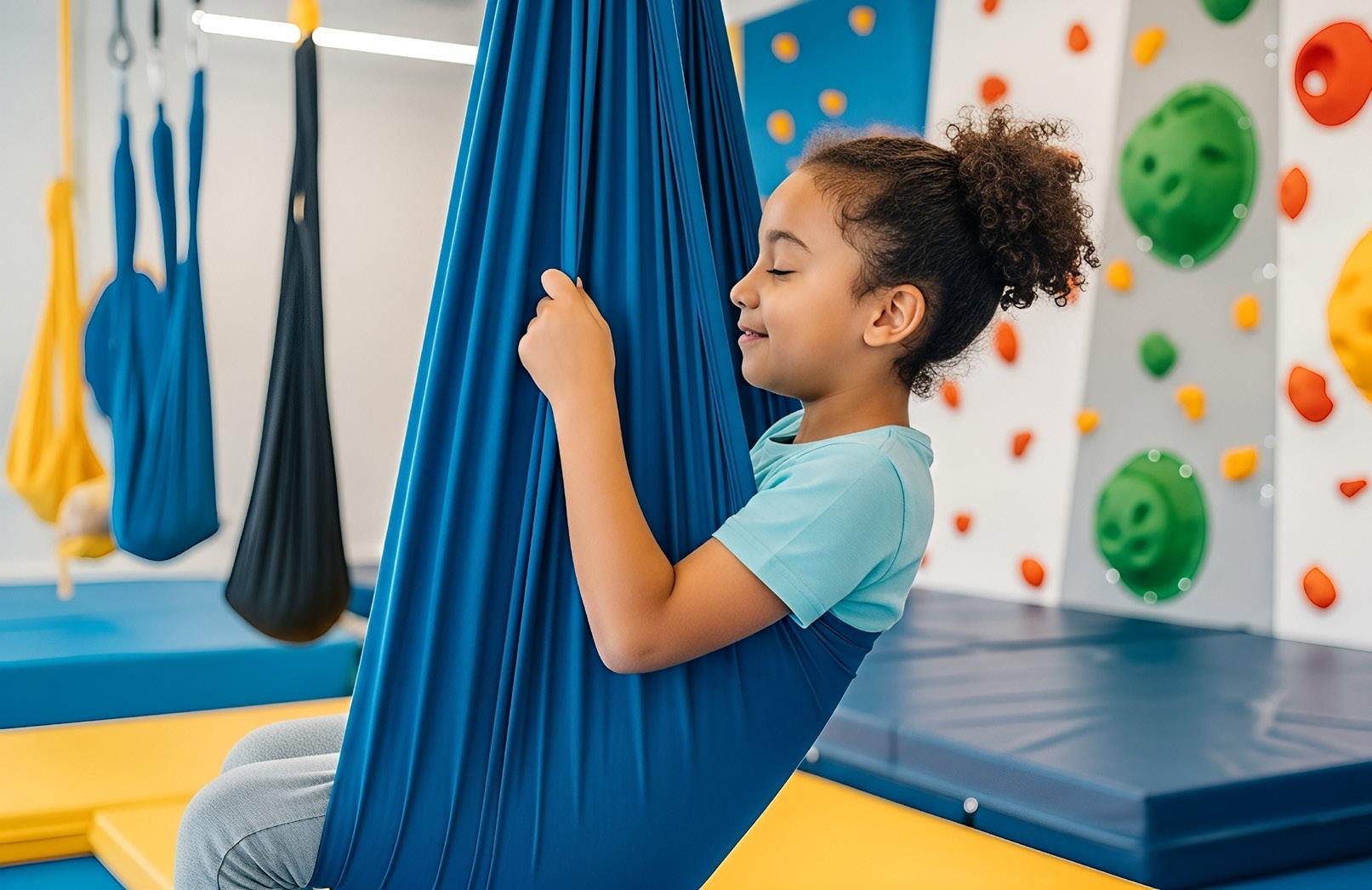
Encouraging people with sensory disabilities to engage in activities may require a bit of extra planning and caution. Naturally, parents and close friends become accustomed to making thoughtful accommodations for loved ones with sensory sensitivities. However, when outside of familiar surroundings, sensory issues can present a unique challenge because the disability may not be apparent until discomfort is intensely felt and conveyed. This is where awareness, compassion, training, and education come into play. We should not assume that someone is just being uncooperative, it may be that they are having difficulty processing the situation on an internal sensory level, and it is important to remember not to take the responses personally.
Luckily, many entities in the Midlands offer programs and activities designed especially for children and adults with sensory processing/cognitive disorders. There are many activities to choose from: the South Carolina State Museum hosts Accessibility Mornings; Saluda Shoals Park has seasonal, time-blocked programs; Edventure Children’s Museum offers Sensory Nights; Riverbanks Zoo has designated events for those with sensory issues; almost all Lexington and Richland County libraries now offer sensory sensitive activities; Regal and AMC movie theatres have monthly sensory-friendly showings; and the Sky Zone Trampoline Park has a wonderful special needs/sensory playground. Having educated staff in place, who are trained to navigate challenging situations, is crucial for creating inclusive, safe, and supportive environments for all to enjoy.
The University of South Carolina, in connection with the School of Medicine Columbia, offers a wealth of services for Midlands’ residents and their family members, as well as employers and organizations through the South Carolina Assistive Technology Program. According to USC’s website, assistive technology (AT) is defined as “… any item, piece of equipment, software program or product system that is used to increase, maintain or improve the functional capabilities of people living with disabilities.” Qualifying residents and businesses can participate in device loans and demonstrations, medical equipment donations, refurbishing and reuse programs, the South Carolina Assistive Technology Exchange, and monthly free and low-cost workshops and training courses. Testimonies, blog posts, networking opportunities, local events, and educational programs are posted on the university’s website, along with general legal resources, detailed local information, and a toolbox of materials in respect to marketing ideas and promotional assistance. The university website encourages the public to take advantage of these opportunities: “Everyone who creates, manages, and purchases our digital assets at USC can help make our commitment to digital accessibility a reality. We strive to provide equitable access to our digital content for everyone in our community with various visual, hearing, cognitive, and other disabilities.”
One of the most impactful events within the accessibility arena of Lexington and Richland Counties is the upcoming 33rd annual South Carolina Assistive Technology Expo on Tuesday, March 10, 2026, at the Columbia Metropolitan Convention Center. Admission is free, and exhibits will be open from 8:30 AM until 3:30 PM and include hands-on demonstrations and insider hacks regarding the latest products, new services, and disability issues. Several continuing education credit benefits are also available at this event for various vocations. Everyone is welcome, so bring a parent, veteran, child, coworker, or friend along to attend workshops, learn more about available sensory resources and training, and enjoy lunch at one of the many nearby cafes or restaurants.
It is up to each of us, personally and professionally, to consistently challenge negative stereotypes regarding disabilities, while fostering compassion and awareness to celebrate the abilities and contributions of every individual in our community.
South Carolina Assistive Technology Program Center for Disability Resources
University of South Carolina School of Medicine Columbia 701 Assembly Street, Columbia, SC 29201
803-935-5263
